Sleep: The Most Underrated Recovery Tool for Athletes
By Anouk WillemenAthletes spend countless hours thinking about training, nutrition, hydration, and recovery. Yet one of the most powerful performance enhancers is often overlooked: sleep.
Whether you're training for competition, hitting the gym after work, or staying active for overall health, your body's ability to recover, adapt, and perform depends heavily on the quality of your sleep.
And one of the biggest factors influencing sleep? Light.
Why Sleep Matters for Recovery
Training creates stress on the body. Sleep is when your body adapts to that stress and comes back stronger.
During sleep, your body:
- Repairs muscle tissue
- Releases growth hormone to support recovery, healing and muscle build
- Replenishes energy stores
- Strengthens immune function
- Consolidates learning and motor skills
- Recovers mentally and physically
In other words, workouts create the stimulus. Sleep delivers the results.
That's why recovery should be treated as part of your training schedule, just as important as nutrition and exercise.
The Link Between Light, Performance, and Sleep
Your body runs on a circadian rhythm, an internal clock that regulates energy, alertness, and sleep.
Light is one of the strongest signals that influences this clock. Morning sunlight tells your brain to feel awake. Blue-rich light can help boost alertness, focus, and performance. Evening light can delay the release of sleep hormone and with that disturb your sleep schedule and quality.
The key is using light to your advantage.
Feeling Drained Before Evening Training?
If you've spent all day working on screens or under bright office lighting, it's common to feel mentally fatigued before an evening workout.
Before reaching for another coffee, try resetting your system with natural daylight.
A short walk outside, exposure to daylight, and reducing screen time before training can help improve alertness and help you show up feeling more ready to perform.
Why Night Training Can Make Falling Asleep Harder
Many athletes train under bright lights—whether that's a football field, basketball court, tennis facility, or gym. While these environments are great for performance, they can also signal wakefulness to the brain long after your workout is over. The result? You feel physically tired but mentally switched on when it's finally time for bed.
Managing light exposure after evening training can help your body shift from performance mode into recovery mode more efficiently.
5 Ways Athletes Can Use Light to Improve Recovery
1. Get Morning Sunlight
Spend 10–20 minutes outside shortly after waking.
Morning sunlight helps regulate your circadian rhythm, improve daytime alertness, and support better sleep later that night.
2. Use Daylight to Boost Focus
Natural light during the day helps support energy and performance.
Take breaks outside, walk during lunch, or position yourself near a window whenever possible.
3. Reduce Visual Fatigue Before Evening Workouts
Hours of screen time can leave you feeling mentally fatigued.
Give your eyes and brain a break before training by stepping outside, wear blue light glasses when using screens, or taking short movement breaks throughout the day.
4. Dim Your Environment After Training
After an evening workout, start reducing exposure to bright light.
Lower indoor lighting, wear blue light filtering glasses, and create a clear transition between training and bedtime.
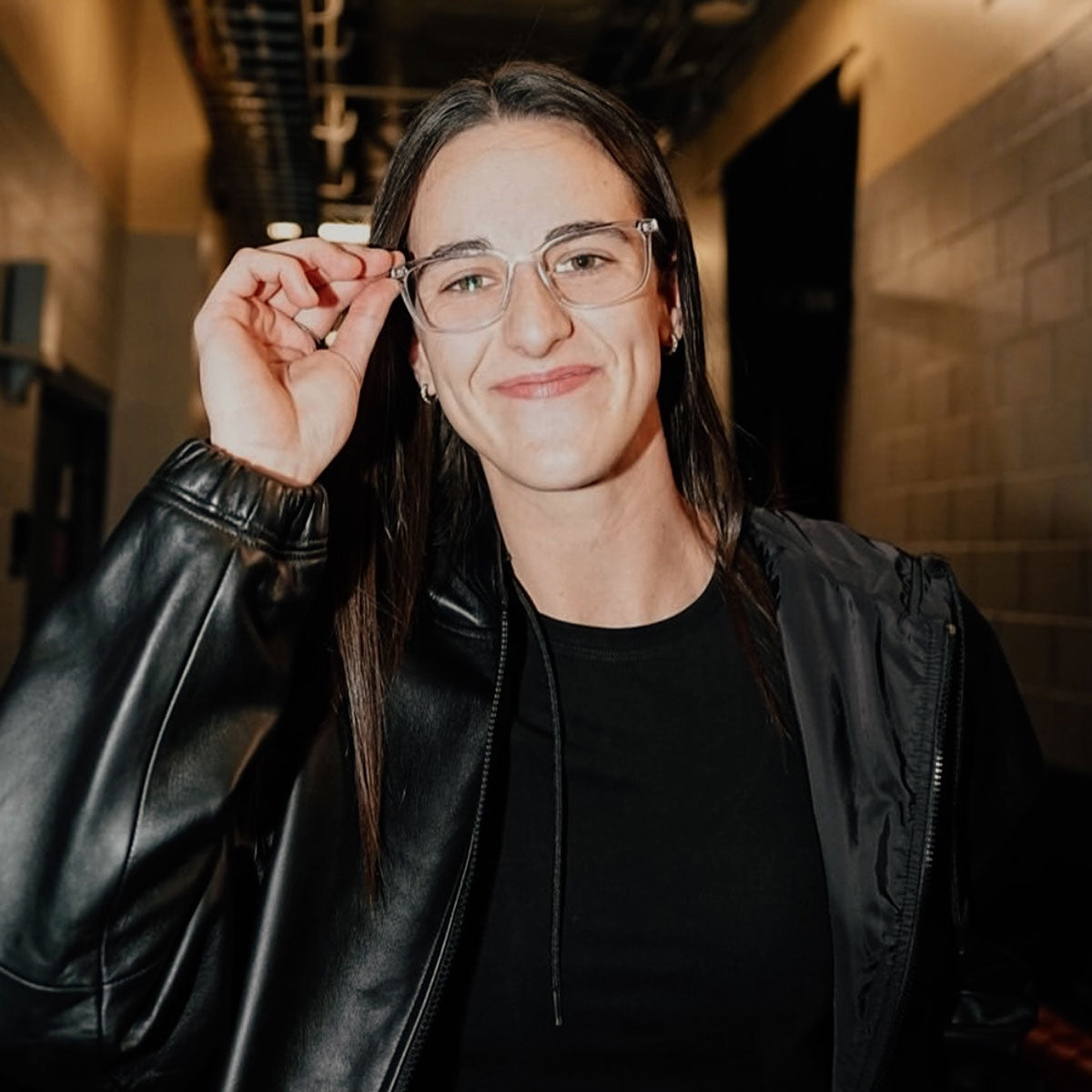
5. Wear Felix Gray Blue-Light Glasses in the Evening
If you're answering emails, reviewing game footage, scrolling on your phone, or watching TV after training, blue-light filtering glasses can help support healthier evening light habits.
Felix Gray glasses are designed to filter the exact blue light wavelengths from digital devices that disturb sleep, helping athletes create a more sleep-friendly environment when worn 2-3 hours prior to bedtime.
Recovery Starts Before You Go to Sleep
The best recovery strategy isn't always another supplement, recovery gadget, or training session. It can be protecting the quality of your sleep.
By getting morning sunlight, managing artificial light at night, and creating a consistent recovery routine, you can support better sleep, better recovery, and better performance.
If you're looking to build a smarter evening routine, explore the Felix Gray collection and make light management part of your recovery toolkit.